Making the decision to say goodbye to a beloved pet is one of the hardest decisions we can ever face. Having your pet’s euthanasia take place at home can provide a quiet, familiar and deeply personal setting for their final moments.
Below are some of the questions I am most commonly asked about home euthanasia for dogs, cats and rabbits.
““We don’t say goodbye because we love them too little. We say goodbye because we love them enough.””
-
Home euthanasia is the peaceful and compassionate euthanasia of your pet in the comfort of their own home.
Rather than travelling to a veterinary clinic, your pet can remain in a familiar environment surrounded by the people, other pets and things they love. The aim is to make their final moments as calm, gentle and stress-free as possible.
-
Knowing when it is time can be incredibly difficult. There is rarely one single moment that makes the decision obvious.
Changes such as ongoing pain, difficulty breathing, reduced mobility, loss of appetite, repeated vomiting, inability to toilet comfortably, anxiety, confusion or simply having more bad days than good can all be signs that your pet’s quality of life is declining.
Sometimes, your pet may still have moments where they seem happy. This does not necessarily mean they are comfortable overall.
If you are unsure, please feel welcome to contact me for advice. You do not need to have made a decision before calling, and I do not charge for providing advice about whether the time may be approaching.
-
Absolutely.
In fact, I encourage families to contact me before they are facing an emergency. Having a conversation early can help you understand what to expect, what signs to look for and what options are available.
It can also mean that when the time eventually comes, you already have someone you trust to call.
-
Every appointment is different because every pet and every family is different.
I will first spend time with you and your pet and make sure everyone is comfortable. There is no need to rush.
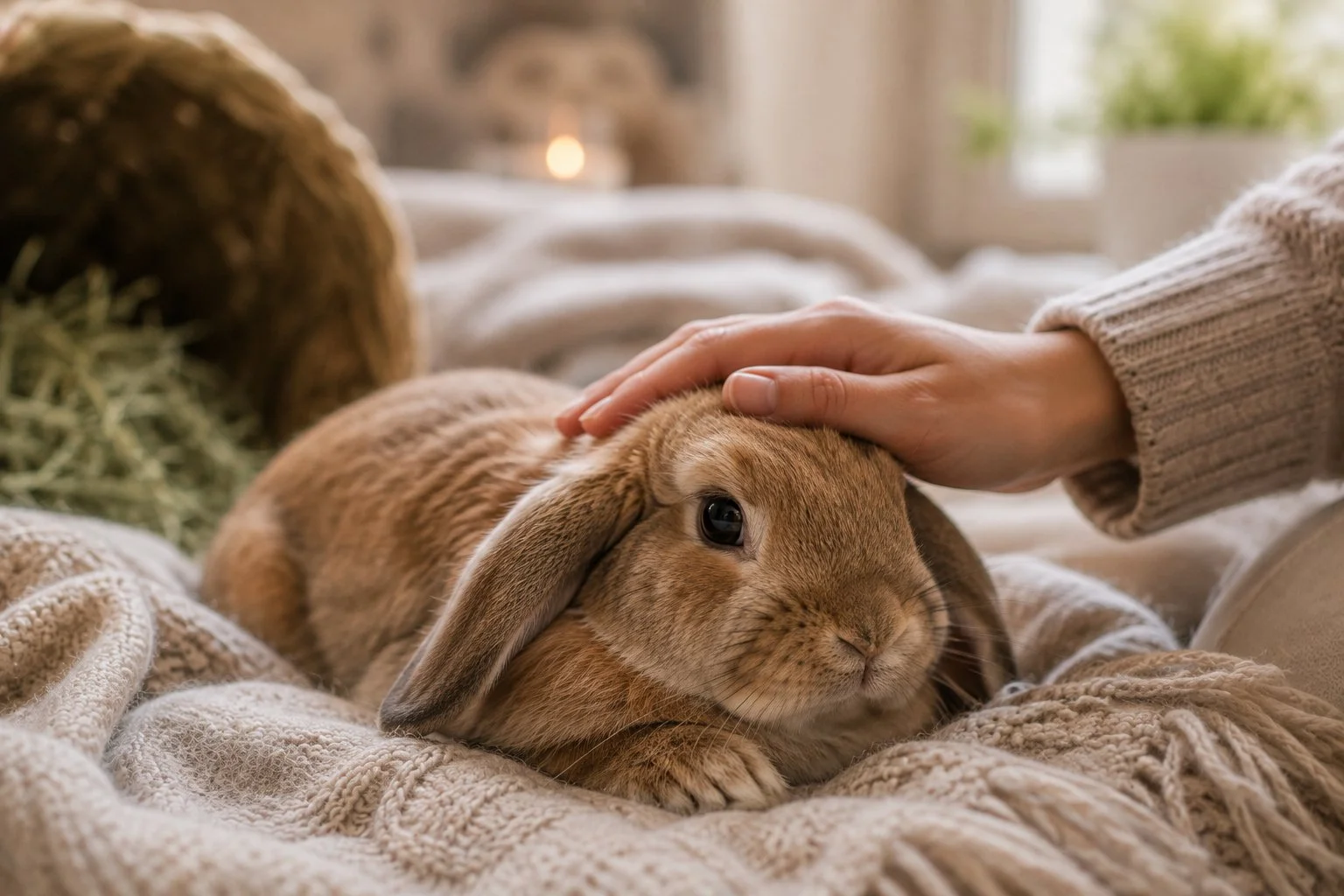
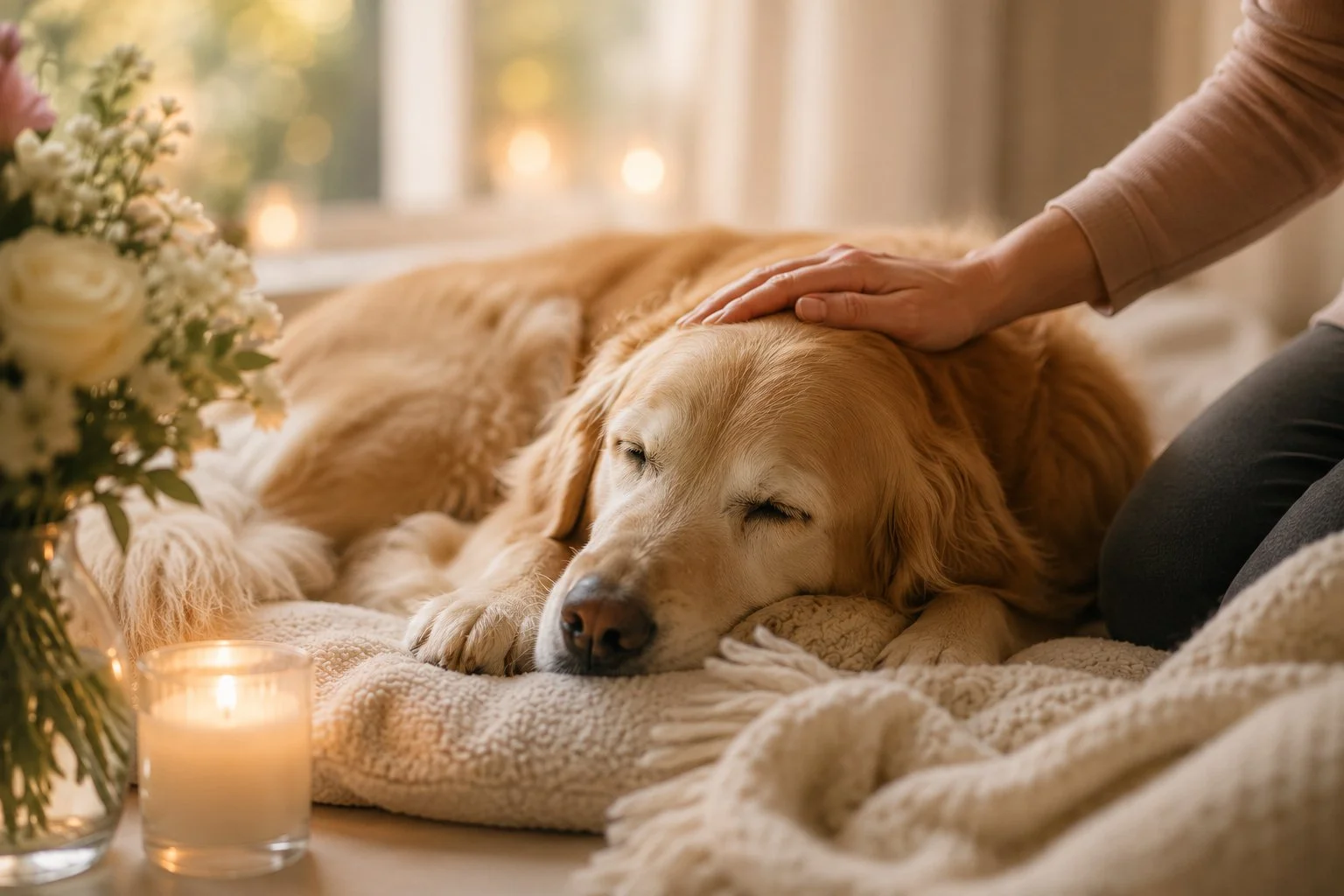
Your pet can usually remain wherever they are most comfortable — on their bed, on the couch, in your arms, outside in a favourite garden spot, or wherever feels most like home.
Medication is then given to allow your pet to become deeply relaxed and sleepy before the final medication is administered. The intention is for your pet to be peaceful and unaware as they pass away.
I will explain what is happening throughout the process and give you as much time as you need.
-
This is something I am asked very often, particularly by owners who worry that their pet will somehow know why I am there.
While we can never know exactly what our pets understand, there is no reason to believe that they understand euthanasia in the same way that we do, or that they know what is going to happen.
Pets are incredibly perceptive. Dogs, cats, rabbits and other companion animals can pick up on changes in our emotions and behaviour. Your pet may notice that you are upset, anxious or crying, and they may respond by staying close to you, looking at you or seeking extra comfort.
They may also notice that something is different about the day or that there is someone new in their home. But this is very different from understanding that you have made a decision about their life or knowing why I have come to your home.
For many pets, the experience may simply be one of being at home, surrounded by familiar people, familiar smells and the things they know and love.
What happens with the medication?
Before saying goodbye, I will give your pet some gentle medication to help them relax and become sleepy.
This gives them time to settle comfortably and allows the whole experience to be as calm and peaceful as possible. You can stay close to your pet, talk to them, stroke them and reassure them while they become increasingly sleepy.
Every pet is different, so their response may vary depending on their age, health and individual circumstances. I will stay with you and your pet and gently explain what you are seeing along the way.
Once your pet is deeply relaxed and comfortable, I will give the medication that allows them to gently drift into a very deep sleep. From there, they will peacefully slip away.
There is no need for your pet to understand what is happening. The focus is simply on keeping them calm, comfortable and surrounded by love.
What if I’m upset?
Please don’t worry about needing to be strong for your pet.
It is completely natural to cry, to feel anxious or to struggle with what is happening. Your emotions are a reflection of how deeply you love them.
Your pet may notice that you are upset, but you don’t need to hide your tears or pretend that everything is okay. You can talk to them normally, stroke them, hold them and tell them how much you love them.
You don’t have to be calm or composed. You just have to be there.
I’ll be there to guide you through the process, explain what is happening and make sure you and your pet are given the time and space you need.
You have loved and cared for your pet throughout their life. At the end, simply being beside them, offering the familiar comfort of your presence, is enough.
-
The goal of euthanasia is for your pet to experience a peaceful and comfortable passing.
A sedative or calming medication is generally given first, allowing your pet to become relaxed and deeply sleepy. Occasionally this injection will cause 1-2 seconds of pain, the same as when we have a vaccination or needle. The euthanasia medication is then administered once they are comfortable.
I will explain each stage beforehand so you know what to expect.
-
Being at home can greatly reduce the fear and anxiety that some pets experience when visiting a veterinary clinic.
Your pet does not need to travel in the car, enter an unfamiliar building or be placed on a veterinary examination table. They can remain surrounded by familiar smells, sounds, people and other pets.
For many families, this is one of the most meaningful aspects of choosing home euthanasia.
-
Yes.
Where possible, I encourage your pet to remain somewhere they feel safe and comfortable.
This might be their favourite bed, the couch, your bedroom, a sunny spot in the garden or even in your arms.
There is no need to create a clinical environment in your home. This is your pet’s final time with you, and it can look and feel like home.
-
Yes. Family members are welcome to be involved in whatever way feels right for them.
Some people want everyone present, while others prefer a quieter and more private goodbye.
Children can also be included, depending on their age and individual circumstances. There is no right or wrong way to say goodbye.
-
Yes, and sometimes this can be very important.
Dogs, cats and rabbits can notice that another pet is unwell or has died. Allowing companion animals to be nearby, where appropriate, can give them the opportunity to see and smell their friend and understand that something has changed.
Some pets will want to stay close, while others may choose to keep their distance. Both responses are completely normal.
-
Some natural reflexes can occur after a pet has passed away. These may include a small movement, twitch, breath-like movement, release of urine or faeces, or other sounds.
These things can sometimes be surprising or upsetting if you are not expecting them, but they do not mean that your pet is suffering.
I will explain what you may see and will stay with you so that you do not have to face these moments alone.
-
On average, I spend about 60 minutes at each home visit.
There is no need to rush a home euthanasia appointment.
The time required will depend on your pet, their condition and what you and your family need.
I allow time before and after the euthanasia itself so that you can ask questions, spend time with your pet and say goodbye without feeling pressured.
-
Absolutely.
You may wish to sit with them, hold them, talk to them, stroke them or simply spend some quiet time together.
There is no set amount of time you should spend with your pet. Take the time you need.
I normally allow around 15-20 minutes if needed, but if you would like more time than this, we can organise the crematorium to collect your pet directly from your house instead, especially if you would like to spend several hours with them, or keep them with you overnight. We want to assist you to do what you feel is best for your and your pet.
-
Yes. Many families find comfort in having something tangible to remember their pet by.
Included in every one of my visits is the option for a fur clipping and/or ink paw print.
Depending on your wishes and the arrangements available, keepsakes may include paw prints, fur clippings or other personal memorial items.
You are also welcome to create your own keepsakes, such as photographs, a favourite toy, a collar, a lock of fur or a special memory box.
Additional keepsakes such as clay paw prints etc can be organised through the crematorium.
-
After your pet has passed away, I will discuss the available aftercare options with you.
These may include individual cremation, communal cremation or other arrangements depending on your preferences.
I will explain the options beforehand so that you do not have to make difficult decisions unexpectedly during an emotional appointment.
If you choose a cremation option, then your pet will be gently transferred into my car, and then to the crematorium.
-
Yes. Individual cremation can allow your pet’s ashes to be returned to you.
There are different options for memorialising and receiving your pet’s ashes, and these can be discussed with you before the appointment.
-
This is one of the advantages of home euthanasia.
Your pet does not need to be able to walk into a clinic or climb into a car. If they are lying on their bed, on the floor or somewhere else in your home, we can work around them.
I will help you consider the most comfortable and practical approach for your pet.
-
Rabbits can be particularly sensitive to travel, unfamiliar environments and handling.
For some rabbits, being able to remain in their familiar enclosure or home environment with their bonded companions nearby can make their final moments much calmer.
I am very experienced in providing compassionate end-of-life care for rabbits as well as dogs and cats. I work closely alongside The Rabbit Doctors (the specialist veterinary clinic for rabbits), and have done training with them to ensure that a rabbit euthanasia is carried out in the best way possible as recommended by them.
-
Please call.
You do not need to be certain before speaking with me.
Sometimes families simply need someone experienced to talk through what they are seeing and help them consider their pet’s quality of life. I will listen, answer your questions and help you think through your options without judgement or pressure.
You will never be pressured to euthanise your pet. I will always advocate for what is best for your pet.
-
If your pet is experiencing severe breathing difficulties, uncontrolled bleeding, collapse, seizures, severe pain or another life-threatening emergency, they may require urgent veterinary attention.
If you are concerned that your pet is in immediate distress, please seek emergency veterinary care at a 24/7 emergency veterinary clinic.
If you are unsure whether your pet’s situation is an emergency, you are welcome to call for guidance.
-
No referral is required to arrange a home euthanasia appointment.
However, I am always happy to work alongside your regular veterinarian and can take into account your pet’s medical history, diagnosis and current treatment.
-
Of course.
End-of-life care can be a collaborative process, and communication with your regular veterinary team can be very helpful.
With your permission, relevant medical information can be shared so that everyone involved understands your pet’s circumstances and needs.
-
There is no long checklist of things you need to do.
If your pet is comfortable, allow them to spend their final time doing the things they enjoy. Give them their favourite treats if they are able to eat, let them rest in their favourite place and spend time together.
You may also want to think about whether you would like photographs, paw prints, fur clippings or other keepsakes.
Special treats should only be given in the 1-2 hours before the appointment (eg small amounts of chocolate, cheese, ice-cream, milk, cream, caviar, salmon, cheesburger, etc). If you start to give these treats too early before the visit then your pet may experience an upset stomach with vomiting and diarrhoea. All normal meals, medications and treats are fine to have as usual.
You may also like to think where you would like the euthanasia to take place (eg on the bed, couch, loungeroom, outdoors if weather permits, etc).
Some owners like to play particular music during the appointment, or burn scented candles or incense. All of these are fine to do.
You could also think about whether there is a special blanket, toy, treat, photograph, letter or drawing you may wish to send for cremation or to bury your pet with.
Most importantly, there is no perfect way to say goodbye.
-
That is okay.
If you have arranged an appointment but feel that your pet is not ready when the time comes, we can talk about it.
The purpose of home euthanasia is to provide your pet with a peaceful goodbye when that time is right — not to rush you into a decision.
We do not have cancellation fees, as we realise the end of life is not always a certainty and that it can often be a rollercoaster of emotions, and also of good and bad days. However, please remember that it does not have to be your pets worst day for it to be the right day. Sometimes it is nice that they are still up and walking around, able to wag their tail, to greet someone at the front door, and to still have an appetite. Sometimes, when we wait until our pet isn’t eating/drinking, or they are unable to stand, we have waited too long, and it could be unfair on them to allow them to suffer. We always make a promise to our pets not to allow them to suffer, and I believe it is important to try to carry out this responsibility.
-
Yes.
Even when you know in your heart that you are making the kindest decision, it can still feel unbearable.
Many people experience guilt, doubt and thoughts such as “Was it too soon?” or “Could I have waited longer?”
These feelings are a very common part of anticipatory grief and pet loss. Choosing euthanasia is not giving up on your pet. When suffering can no longer be adequately relieved, euthanasia can be the final act of love we are able to give them.
-
Yes.
If you are worried about your pet, you are welcome to get in touch even if you are not ready to book an appointment.
Sometimes having someone listen, answer your questions and help you understand what may be happening can provide enormous reassurance.
There is no charge for advice about your pet’s end-of-life care.
-
If you are concerned that your pet may need urgent assistance, please contact me to discuss availability.
For emergencies where your pet is in significant distress, immediate veterinary care may be required. Please contact your closest 24/7 veterinary emergency clinic if you are unsure, as they should be able to guide you over the phone whether your pet is able to wait until we are open, or whether they should be seen at the urgent care clinic overnight.
You don’t have to make this decision alone
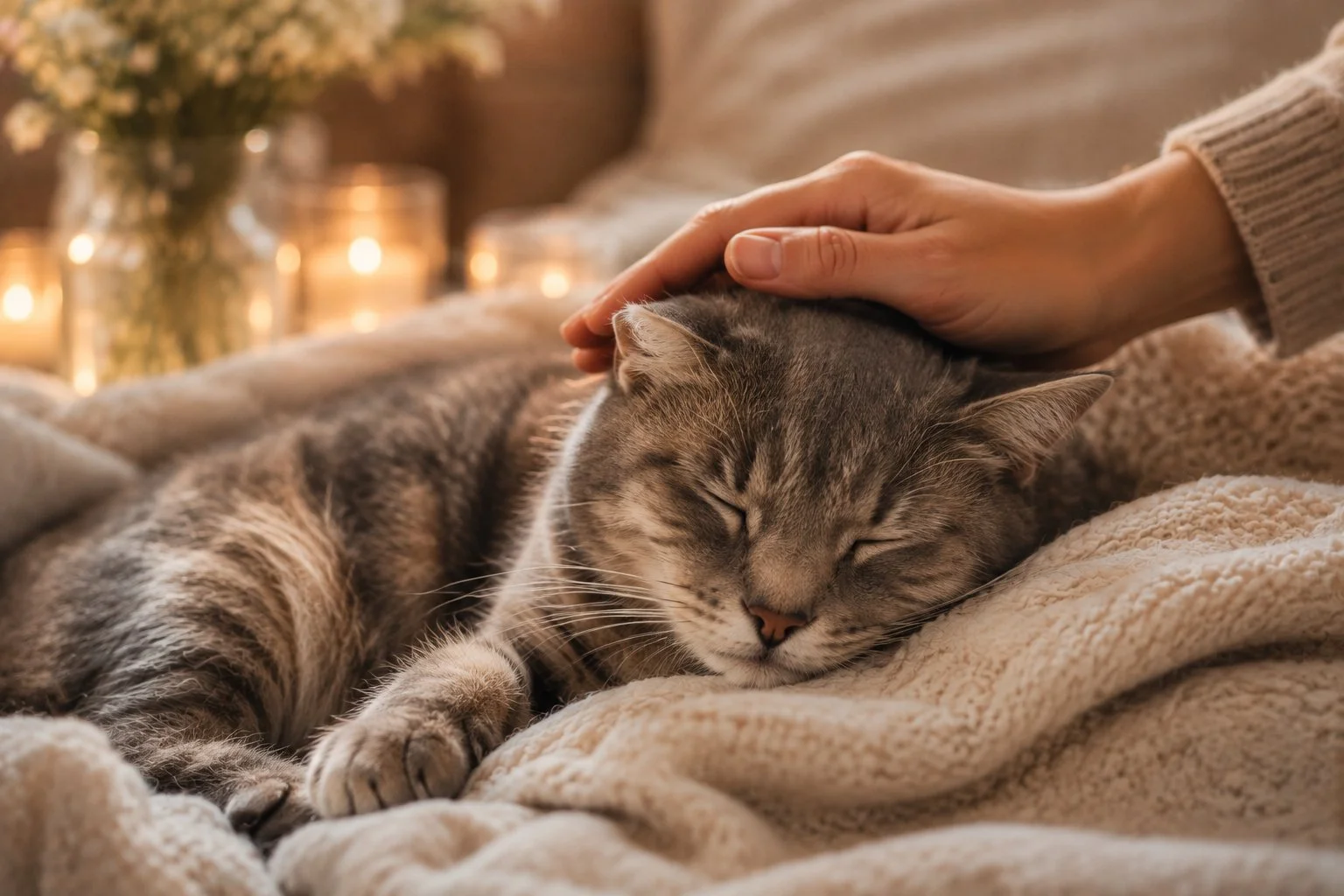
Saying goodbye to a beloved dog, cat or rabbit is one of the most difficult experiences a pet owner can face.
If you are worried that the time may be approaching, please reach out. You don’t need to have all the answers, and you don’t need to know exactly what you want to do.
Sometimes the first step is simply having a conversation.
I’m here to help you understand your options and make the decision that is right for you and your pet.
““When the time comes to say goodbye, our greatest gift may be the courage to let them leave peacefully, surrounded by the love that carried them through their life.””